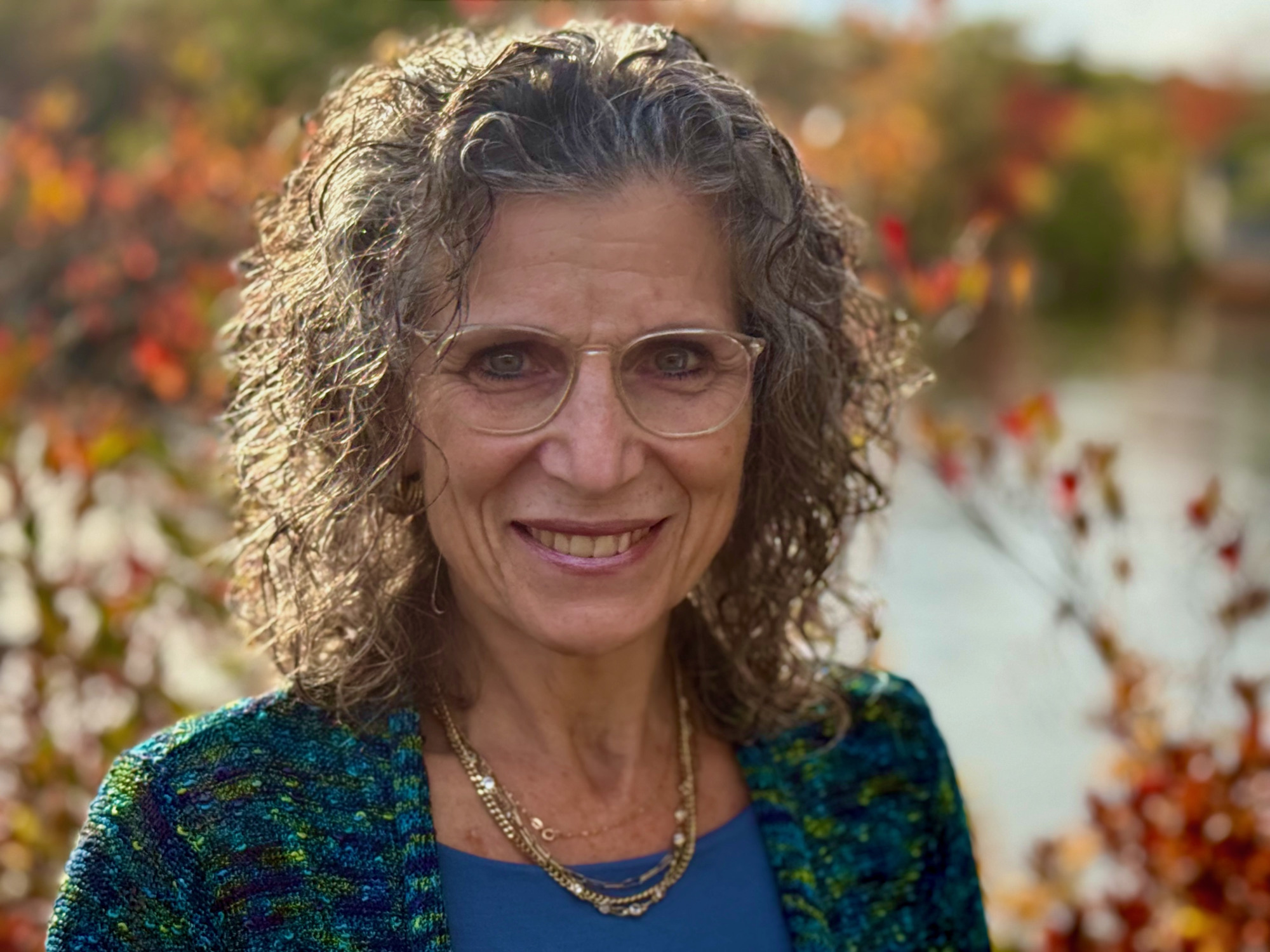
From opera to mindfulness: Karen Walant’s journey to becoming an MBCT teacher

From aspiring opera singer to mindfulness teacher, Karen Walant has built a career around helping others. After decades as a psychotherapist and meditation practitioner, she found a way to bring these interests together through Mindfulness-Based Cognitive Therapy (MBCT). In 2026, she became the first to complete Brown University's Certificate in MBCT Teaching.

Karen Walant

At 17, Karen Walant arrived at the University of Cincinnati's College-Conservatory of Music with plans to become a professional opera singer. But as she immersed herself in the dramatic stories she was learning to perform, she began questioning whether the stage was where she truly belonged. Opera gave her a way to portray human suffering, but she wanted something more: to sit alongside people experiencing life's difficulties and help them navigate those challenges.

That desire wasn't new. Even as a child, Walant recalls being drawn to people who were struggling, offering a listening ear and a compassionate presence. Her path eventually led her to clinical social work and psychotherapy, where she built a career grounded in the belief that genuine human connection is central to healing.

During those early years in Cincinnati, Walant also met her future husband, Dave, who introduced her to meditation. It was the beginning of another important thread in her life, one that would develop alongside her clinical work for decades before finding a more integrated expression through MBCT.

Walant earned a doctorate in clinical social work from New York University and built a psychotherapy practice rooted in relational and attachment-based approaches. Alongside her professional work, she deepened her meditation practice, eventually completing a mindfulness meditation teacher training program. Yet she continued seeking a way to bring these dimensions of her life together.

Finding the connection

She found that connection when Zindel Segal, one of MBCT's developers, spoke to her cohort during a certificate program at the Institute for Meditation and Psychotherapy. Integrating mindfulness practices with elements of cognitive therapy, MBCT resonated with both her clinical experience and contemplative practice. “That spoke to my soul,” Walant recalls.

Eager to explore further, Walant enrolled in one of Brown University's first MBCT teacher training cohorts. What began as an opportunity to unite two longstanding passions became a transformative learning experience, inviting her to complement intellectual understanding with a more embodied approach to teaching and clinical practice.

Learning to teach with presence

For Walant, learning to teach MBCT meant more than mastering a curriculum. Brown's training pathway called for sustained personal practice, experiential learning, teaching experience and ongoing mentorship. Despite decades as a psychotherapist, she found herself developing a different kind of confidence, one grounded in her ability to remain present with whatever unfolded in the classroom.

Working with Brown faculty and mentors, including Janet Curry and Patti Holland, Walant learned to balance fidelity to the curriculum with responsiveness to participants. Early on, she felt pressure to cover everything planned for a session. With experience, she became more comfortable allowing conversations to unfold and recognizing when participants needed space to reflect or connect.

She learned to trust the practice, the group and her capacity to respond thoughtfully. Rather than focusing on delivering the right information, Walant increasingly saw her role as helping participants discover their own insights. She learned to ask herself:

“ How can I meet this moment? How can I do this differently? ”

Sometimes, those insights emerge in surprisingly ordinary moments. Walant recalls a participant who, during a mindful walk, noticed three magnolia trees directly across from her home for the first time, despite having lived there for eight years. For Walant, the discovery illustrates how mindfulness can help people notice what has been right in front of them all along.

Those lessons began influencing her psychotherapy practice as well. Asked how MBCT training had changed her clinical work, her response was immediate: “Enormously.” She describes becoming more attentive to the pace of her interactions, pausing to breathe and bringing greater awareness to the therapeutic relationship. She calls this “slowing in”—creating space to meet difficult experiences with curiosity and compassion rather than rushing to resolve them.

For someone whose clinical work has long emphasized human connection, MBCT offered another dimension: helping people cultivate a different relationship with their thoughts, emotions and experiences. Walant began incorporating mindfulness practices into psychotherapy while deepening her appreciation for the wisdom clients bring to their own healing.

The transformation has been personal, too. Walant describes relying less on intellectual explanations and more on presence, openness and authenticity. Rather than diminishing her clinical experience, MBCT has given her new ways to draw upon it while remaining receptive to each person and moment.

A milestone, not a finish line

In 2026, Walant became the first person to complete Brown University's full Certificate in MBCT Teaching. She describes the training as among the most rigorous and comprehensive educational experiences she has undertaken, valuing its sustained commitment to personal practice, teaching and mentorship.

Yet being first was never the goal. “I wasn't in a race, I wasn't trying to be number one for anything,” Walant explains. What mattered was immersing herself in a program that reflected her commitment to thorough preparation. She completed the certificate with joy, gratitude and the recognition that becoming a teacher is an ongoing process of learning.

Walant brings that spirit of exploration into her MBCT courses. She invites participants aboard an imaginary ship called Presence, using a journey through different ports to help them explore mindfulness practices and navigate life's challenges. The metaphor reflects her growing confidence to bring creativity to the curriculum while honoring its essential principles.

Her commitment to connection extends beyond the eight-week course. Through ongoing meditation gatherings, Walant cultivates a community where participants can continue practicing and learning together. She also values stronger connections among MBCT teachers, whose shared experience and ongoing development can help sustain the field.

Asked what she most hopes others will take from her story, Walant returns to two words: gratitude and freedom. She is grateful for the teachers, mentors and practitioners who have accompanied her journey, and for the growing freedom she experiences through mindfulness—the possibility of meeting life's challenges with greater awareness, compassion and choice. For someone who once dreamed of becoming an opera singer, the path has been unexpected, but her commitment to accompanying others through life's difficulties remains at its heart.

Related News

Brown's 2026 Staff Development Day featured an opening keynote by Dr. Jud Brewer, Professor of Behavioral and Social Sciences and Director of Research and Innovation at the Brown Mindfulness Center. Drawing on neuroscience and clinical research, Brewer explored how stress and anxiety can become learned habits and how awareness and curiosity can help change them.
Read Article
Over the past year, Brown’s School of Professional Studies Evolution of Mindfulness Speaker Series brought together leading voices in contemplative science, clinical care, education and practice to explore where mindfulness is headed next.
Read Article
News & Stories from SPS

Mindfulness to hold complexity

In this reflection, peacebuilder and mindfulness practitioner Paula Ramírez explores how mindfulness can help individuals navigate stress, grief and uncertainty. The piece offers trauma-sensitive guidance and a simple grounding practice to support care, presence and resilience.
Read Article